Allergy Center

Mission

Allergy Center NIH Islamabad is providing comprehensive health care facilities to allergy related patients like Asthma, immune system disorder for both Adults (below 60 years) and children (above 10 years). In Allergy center, we are using advance and therapeutic approaches to identify accurate patient's diagnosis and treat them accordingly. Staff of the Allergy center is treating every patient with respect, dignity, and compassion, recognizing the impact that allergic diseases can have on daily life.

Director Allergy Center
Allergy Center

Objective

Main objective of Allergy Center is providing early and precise diagnosis of allergy related problems like Asthma, immune related disorder, those patients having genetically problems. To provide evidence based treatment plans, including vaccine, medications and preventive guidelines. To reduce the frequency and severity of allergic reactions and asthma attacks through preventive care and regular follow-up. To offer integrated care for children and adults with allergic rhinitis, asthma, food allergies, skin allergies.

Allergy Center

Background

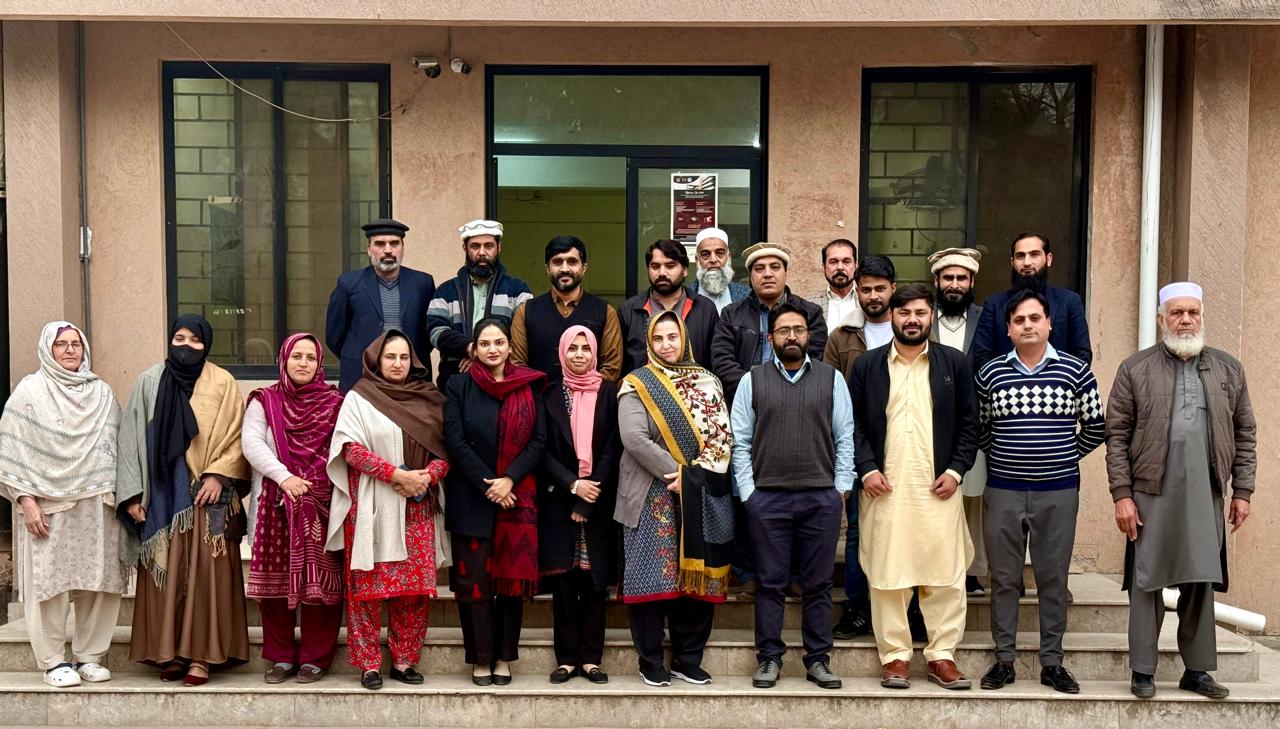
Allergy Center Team Group Photo

This center is the only public sector institution for the diagnosis, treatment, and control of allergies. Here, skin prick tests are performed to diagnose allergies caused by one or more common allergens such as dust, pollen, wild honey, house dust, cotton, etc., as well as food allergies like red meat, poultry, eggs, fish, chicken, and rice. If the test result is positive, vaccination (immunotherapy) is administered.

The Allergy Center is the only public sector center in the country that treats an average of 800 patients daily. The annual number of patients is more than 70,000 to 80,000 or even more. During spring and monsoon seasons, the daily patient count exceeds 1,000.

Diagnostics

What Tests Are Performed on Patients?

1. Skin Prick Test

This test is performed to check for allergies and is used to diagnose internal (non-food) allergies. In this test, the doctor cleans the skin, applies the allergen extract with a lancet, and waits for fifteen to twenty minutes. A positive reaction appears as a raised, red, itchy bump (wheal) at the prick site.

2. Blood Tests (IgE Levels)

In addition, the doctor may order blood tests such as a measurement of IgE levels in the blood to check for allergies. Allergy is a condition where our immune system shows an abnormal and intense reaction against typically harmless external substances (called allergens). This reaction manifests in the form of various symptoms, like asthma, rhinitis, protein based reactions causing rashes on the body and swelling of the face, lips.

There are two types of allergy tests that we are performing in the Allergy Center:

Seasonal Based Allergy

Pollen, Pepper mulberry, dust mites, house dust, dampness/moisture in the rainy season, mold, fungus, animal dander, animal fur, animal skin and hair, bird droppings, saliva, cockroach body parts, perfumes, paint fumes — these cause Respiratory allergy (Asthma), Nasal allergy (Rhinitis/Runny nose), Eye allergy (Allergic conjunctivitis).

Protein Intake Allergy

Egg whites, certain fish especially shellfish and tuna (which contain a high amount of histamine), red meat and poultry, certain other fish, milk, wheat — causing Skin allergy, which includes itching, inflammation, redness of the skin or cracking (like eczema), and swelling of the lips or skin (like Urticaria or hives).

Precautions

Precautions for Pollen Allergy

When flowers are blooming during the pollen season, a significant amount of pollen is released into the air. The patient must take the following precautions:

  1. If you are sensitive to pollen allergy, avoid going to parks, forests, or heavily wooded areas without taking the necessary precautions, wear mask and sun glasses, when you are traveling.
  2. Keep the windows of your house closed during the pollen season to prevent pollen, dust, etc., from entering inside.
  3. Use a high-quality air purifier (air filter) that protects against dust, smoke, and gas fumes.
  4. Avoid unnecessary plants inside the house.
  5. Do not use carpets as minimally as possible in rooms because dust gets trapped in their fibers, which can cause discomfort for sensitive individuals.
Treatment

What Does Vaccination (Immunotherapy) Do?

In our bodies, Immunoglobulin E (IgE) is produced, which causes allergies. Vaccination (immunotherapy) is a course lasting three years that works by slowly building the body's defense (immunity). The vaccine introduces specific substances that help reduce IgE levels. In this way, the severity of the disease gradually decreases.

After completing such a vaccination course, the person remains free from allergies for a considerable period. Additionally, sensitivity to new allergens, etc., is also reduced in them.

Treatment

Precautions Before Receiving the Vaccine (Immunotherapy)

  1. Before receiving the vaccine, it is essential that the treating doctor refers you for allergy vaccination.
  2. At least three days before the vaccine, you should not be taking certain medications, for example, Anti-histamines and Steroids. If these medications are being used continuously, their use should be stopped 2-3 days prior.
  3. If you are taking blood pressure medications such as calcium channel blockers, you must inform your allergy doctor because these medications can affect the test and the vaccine's reaction.
  4. The patient should not have an autoimmune disease or Hyperthyroidism.
  5. The patient should not have a heart condition because if a reaction occurs, it can be difficult to control.
  6. The vaccine may not work well if you are taking high doses of steroids.
  7. If you have severe asthma and regularly use a nebulizer due to significantly reduced airflow (entry of air) into your lungs.
  8. If you become pregnant, the vaccine should be stopped, as the immune response is also reduced during pregnancy.
Instructions

Instructions Regarding the Vaccine

  1. Store the vaccine in the refrigerator, not in the freezer. If you need to travel to another city and require strict cold storage, always carry a cooler with you.
  2. The vaccine should be administered subcutaneously (under the skin) by a certified doctor, strictly according to the prescribed schedule, starting with a dose as low as 0.1 ml.
  3. The full course of the vaccine is completed in 12 injections from a 10 ml vial, which is a special technique.
  4. After one year, the doctor will assess the improvement and may then place you on a maintenance course for the next five years. The exact timing is determined by the doctor based on the patient's condition.
Instructions

Instructions After Vaccination

  1. After the injection, wait for 30 minutes at the clinic before starting your routine activities. Avoid strenuous exercise, hot baths, alcohol, and hot water showers for at least six hours. These activities increase blood circulation, which can potentially trigger an allergic reaction.
  2. In case of any unusual reaction, consult the designated doctor immediately.